
By Laura Luttrell
Having past the halfway point of our stay in Sri Lanka, we realized that we have yet to visit very much of the country and so, we’ve made it a point to start seeing some of the highlights. This blog recounts a number of our trips in February and March to mountains and hills of central Sri Lanka.
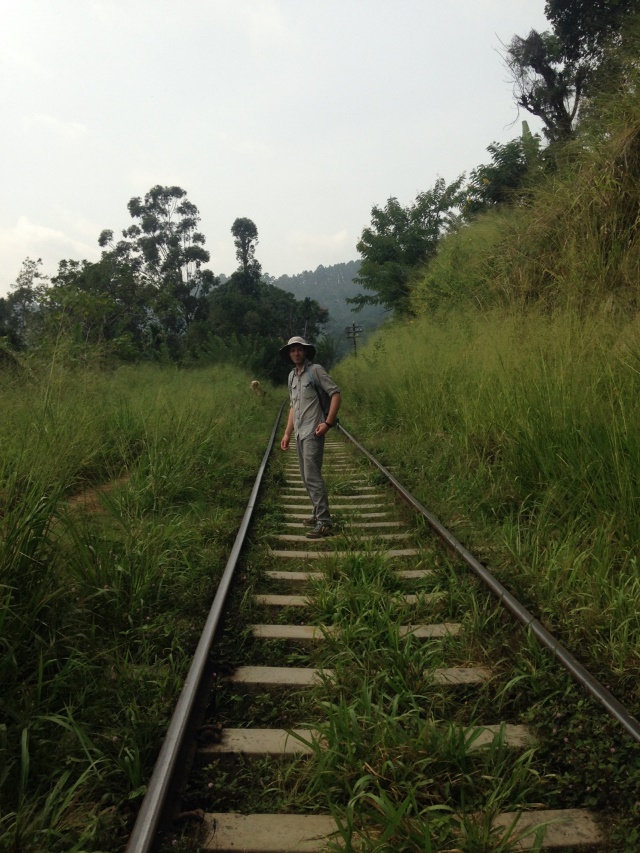
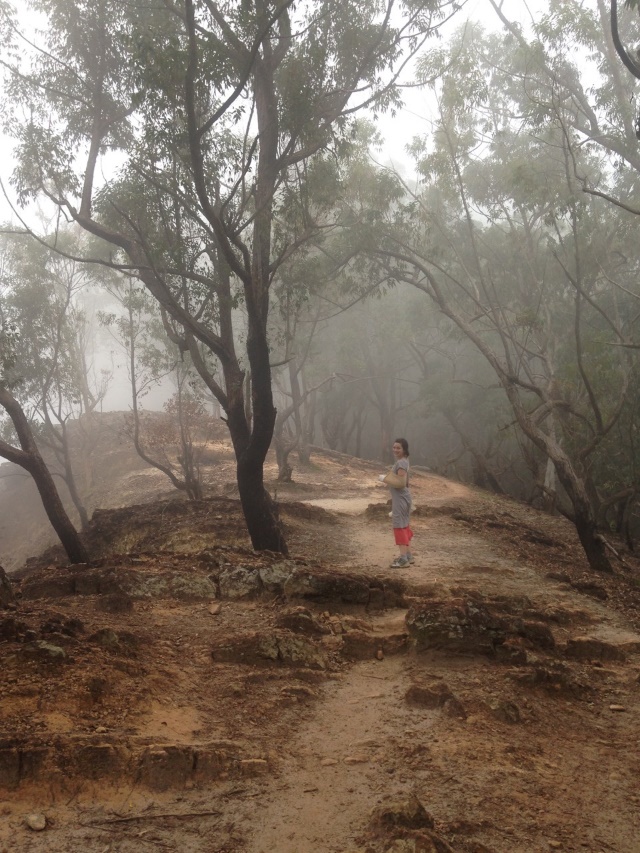
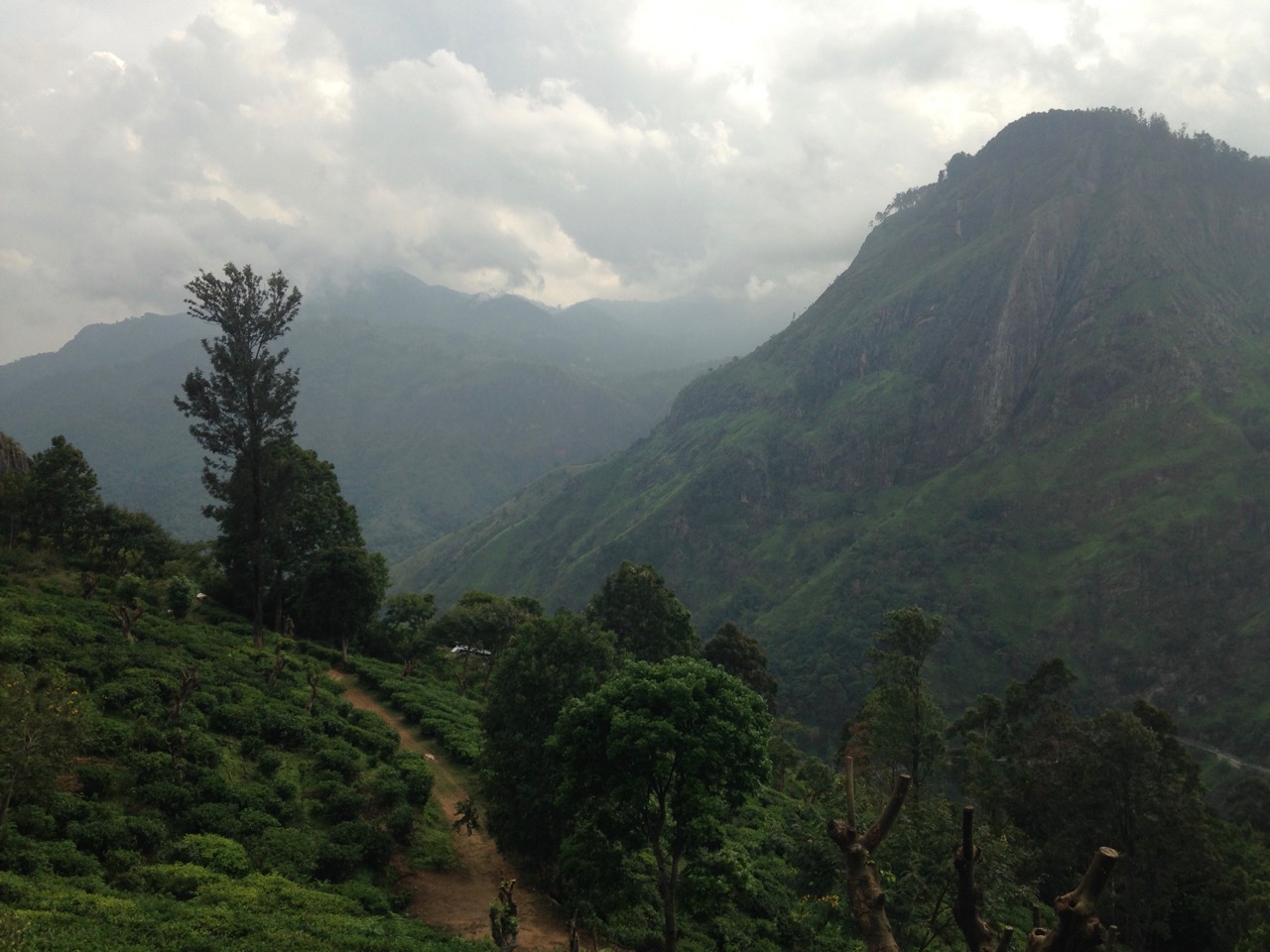
The train ride from Kandy to Ella is supposed to be one of the most beautiful ways to see the countryside, so back in December, we were going near Ella for a meeting and decided to take the train there from Colombo. It was a great trip (much more relaxing than a bus) and truly – the scenery was gorgeous! The environment and climate changed dramatically as we climbed into the agricultural region of the hill country and even through a pine forest along the way (Fig. 1). In Ella, we climbed Ella Rock (about a 4 hour round-trip) for a birds-eye view of our surroundings and a smaller mountain called Little Adam’s Peak (maybe 2 hours) (Fig. 2). We also took a bus out to see Ravenna Falls, where we met up with at least 100 other people admiring it 🙂
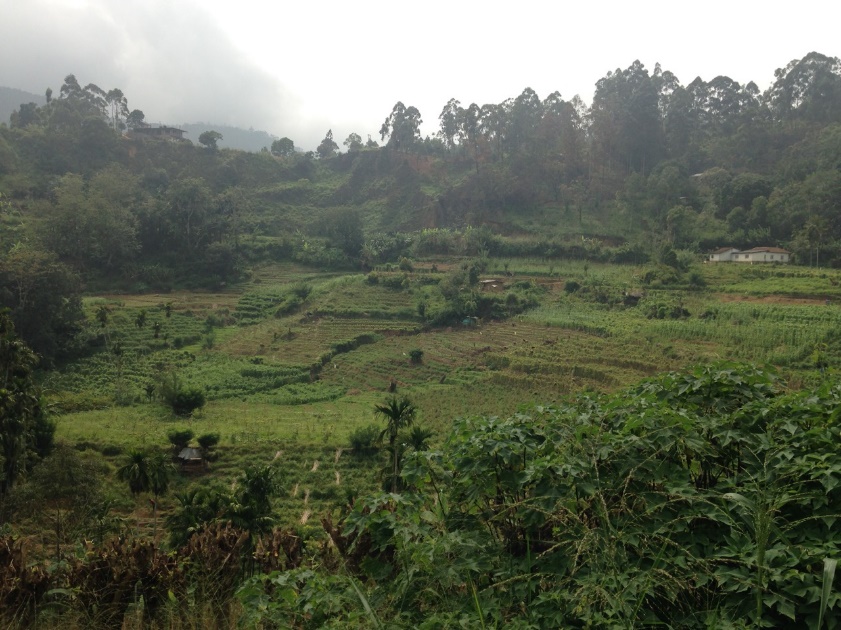
Figure 1. Built by the British originally for shipping tea down to the port the train ride is as good as it gets. Views on the train from Kandy to Ella 
Figure 1. Built by the British originally for shipping tea down to the port the train ride is as good as it gets. Views on the train from Kandy to Ella
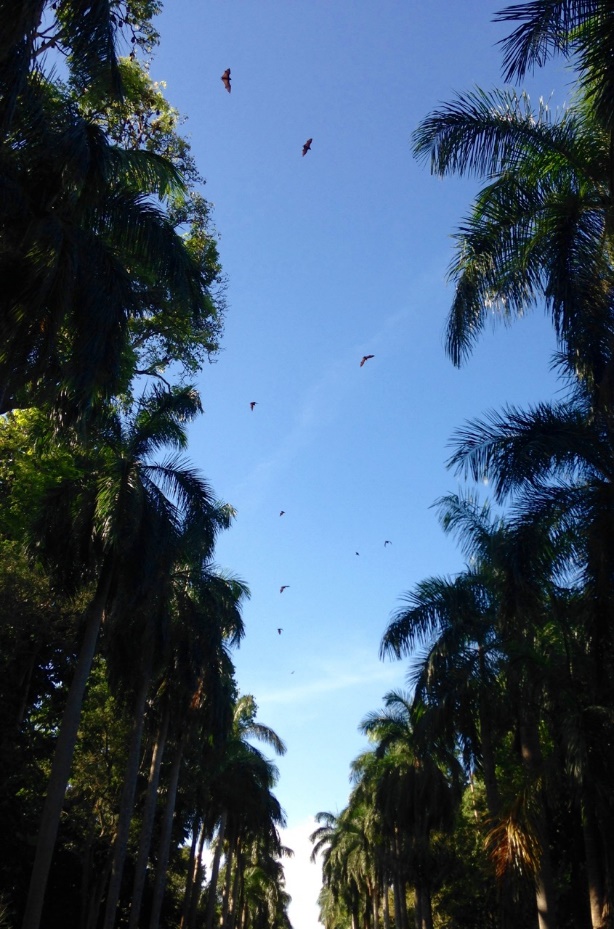
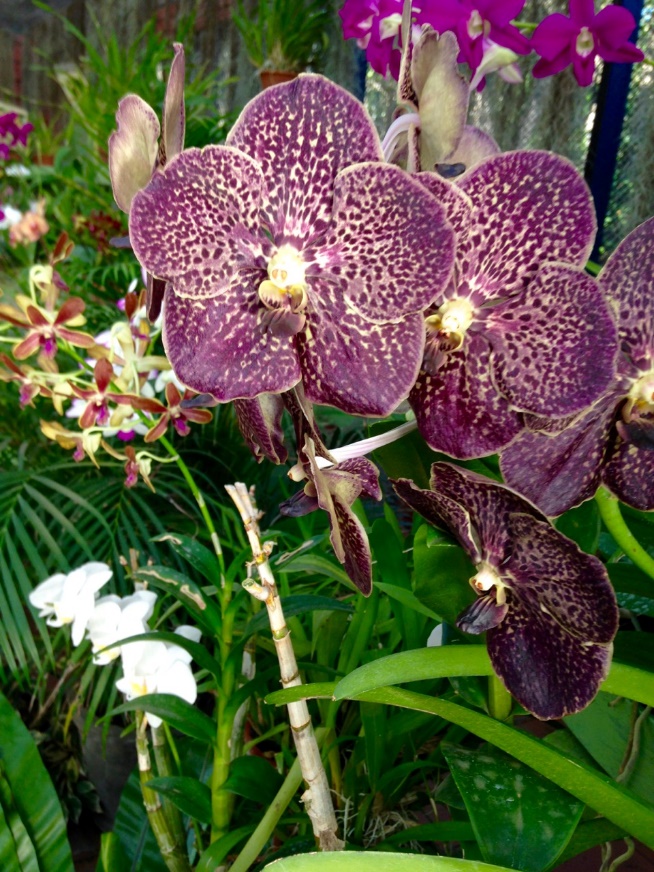
At the end of February, we took a trip up to Kandy. It is in the center of the country and often spoken of as the cultural capital of Sri Lanka. Kandy was the site of the final kingdom of the country, holding out against the British until about 1815. Our quick trip there was dominated by a much too short (3 hours) trip to the Royal Botanical Garden in Peradeniya. It dates back to the ancient kings of the country. In 1821 Alexander Moon, designed the garden as we see it today when the British took over. We were amazed by the diversity and beauty of the collections (Figs. ,3, 4). We hope we will get to go back!

Figure 3. Bambusa vulgaris on the banks of the Mahweli River in the Peradenia Botanic Garden 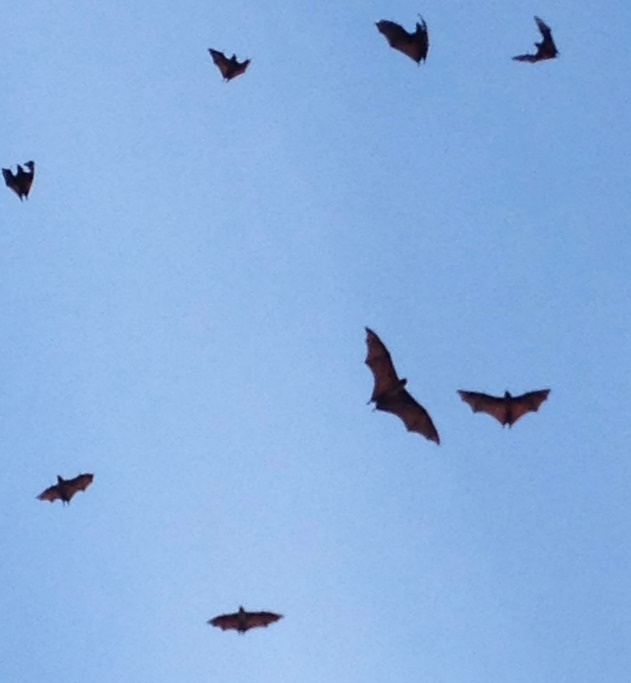
Flying foxes (fruit bats) that reside a roost in their thousands within the garden. They have a wingspan greater than one meter. Every evening they fly off to the neighboring tree gardens surrounding the botanic gardens to devour fruits and disperse seeds


From Kandy, we went on to Nuwara Eliya (Fig. 5). Due to its cool climate in the hill country of Sri Lanka, it has been given the nickname “Little England.” This area is known for its terraces of potatoes, carrots, leeks, and especially for its high country tea (some of the world’s finest Orange Pekoe).
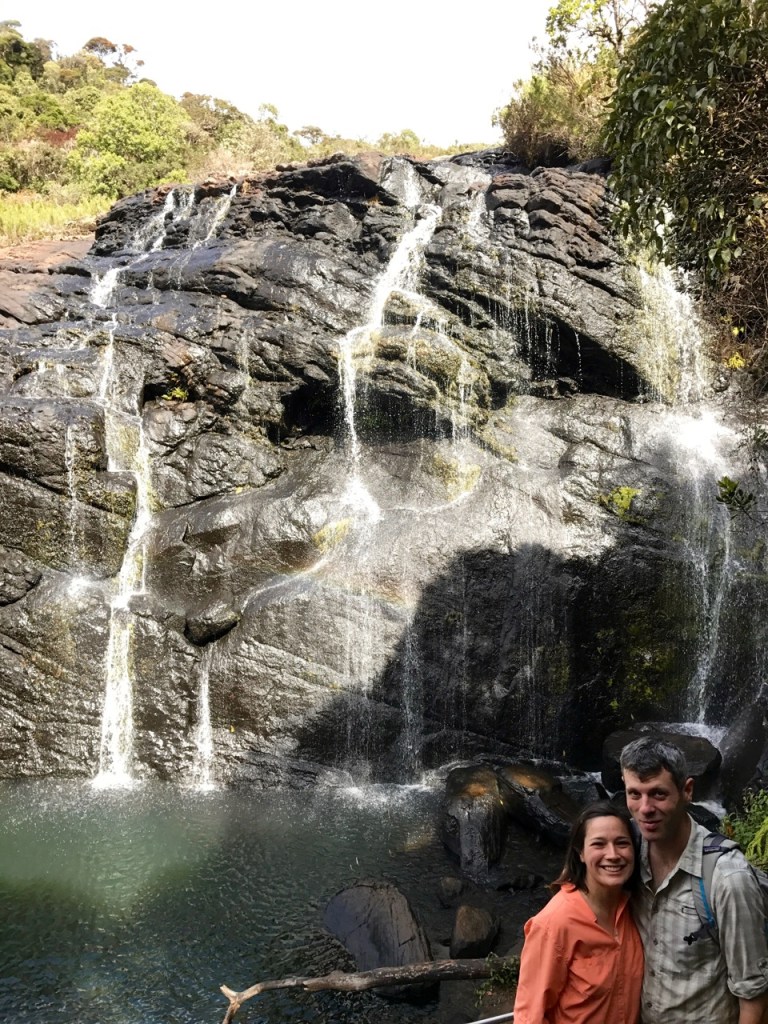
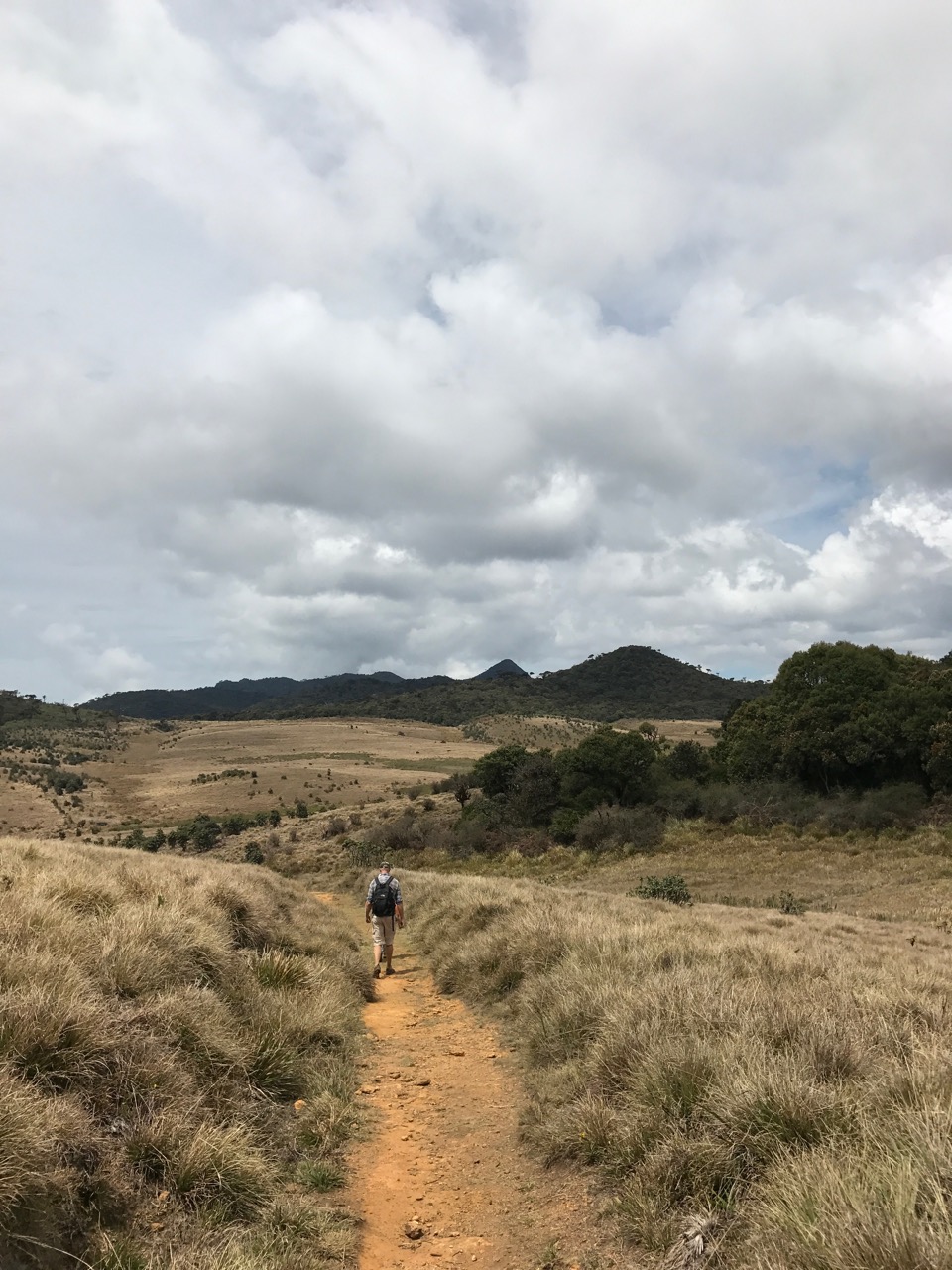
We visited a tea factory (which will be covered in a blog about tea!) and spent a day at Horton Plains National Park. At an average starting elevation of 7,500 feet (2,300 m), Horton Plains is the most extensive area of cloud forest and montane grassland still existing in Sri Lanka and its cooler climate made for very enjoyable hiking. We first walked the well-trodden 9.5 km loop that includes the “Worlds End” (both a mini one and a greater one) (Fig. 6) and a large waterfall, called Baker’s Falls (Fig. 7). While the views were impressive, we found this loop a bit crowded and were very pleased with our decision to next climb the nearby mountain, Kirigalpoththa. At close to 800 feet (2395 m), Kirigalpoththa is Sri Lanka’s 2nd tallest mountain (the summit of the tallest is off limits due to TV towers on top). Along this trail, we passed through open grasslands, thick forest patches, rocky outcrops, and along a river. We passed a few groups of Sri Lankan visitors, but their presence in no way deterred from our enjoyment of this excellent backcountry hike. As we neared the top, a gentle rain accompanied us. It didn’t interfere much and as we climbed back down and out of the rain, we could see where the rain clouds were encompassing the peak.


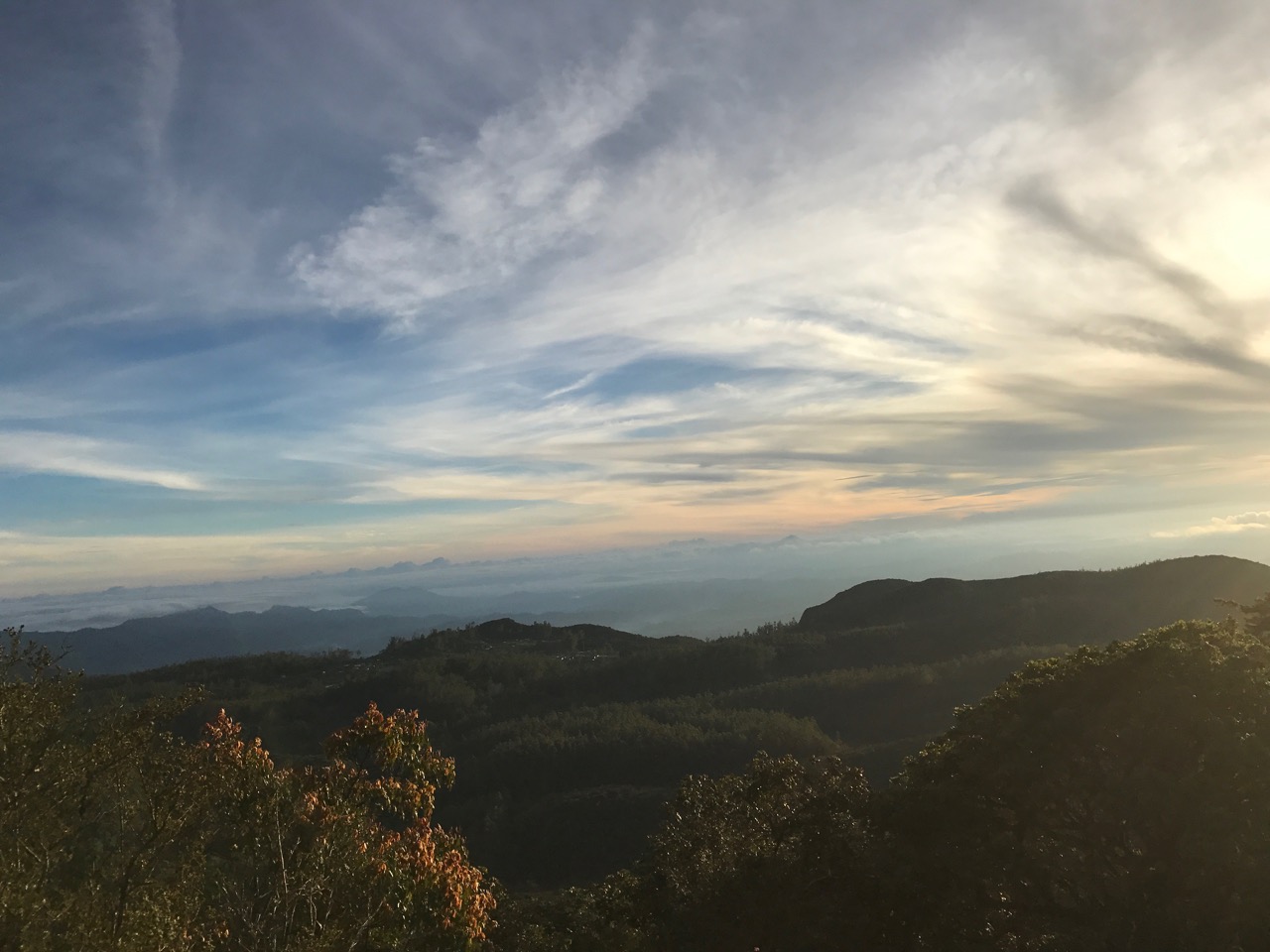


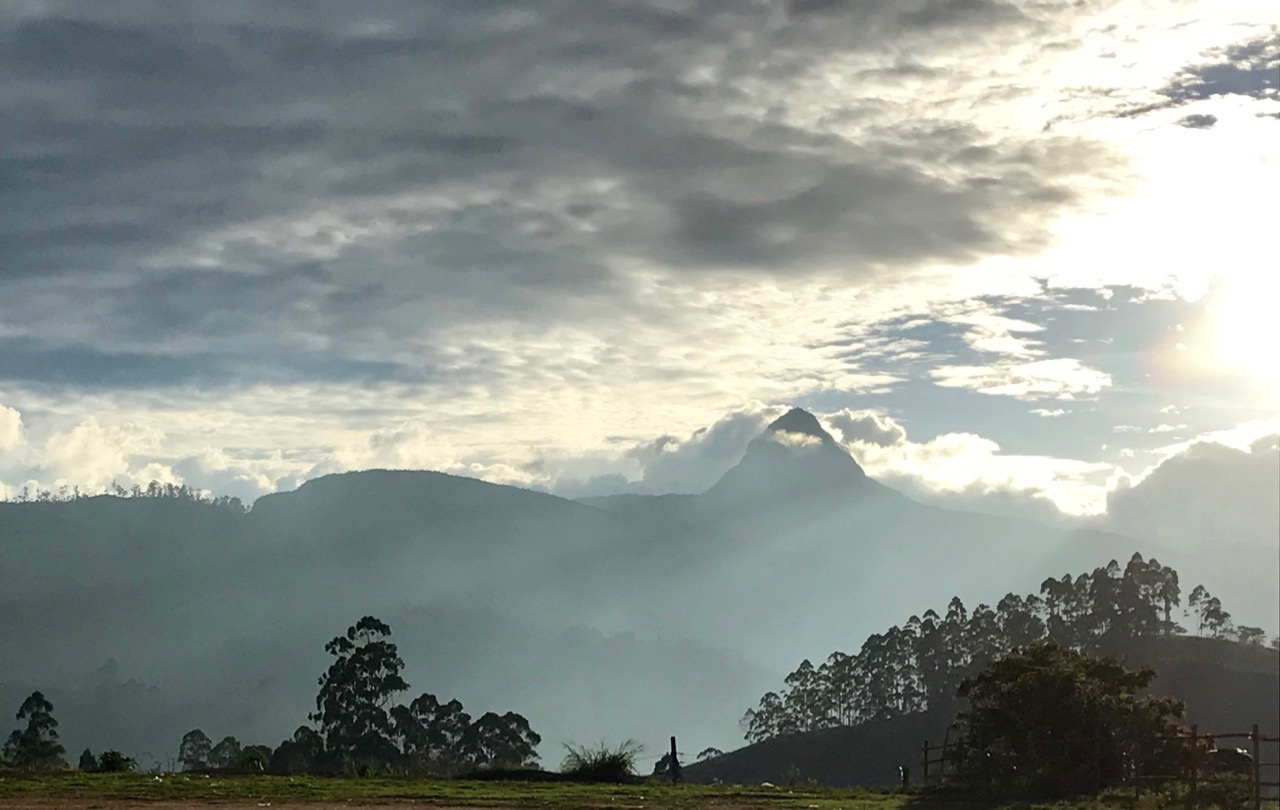
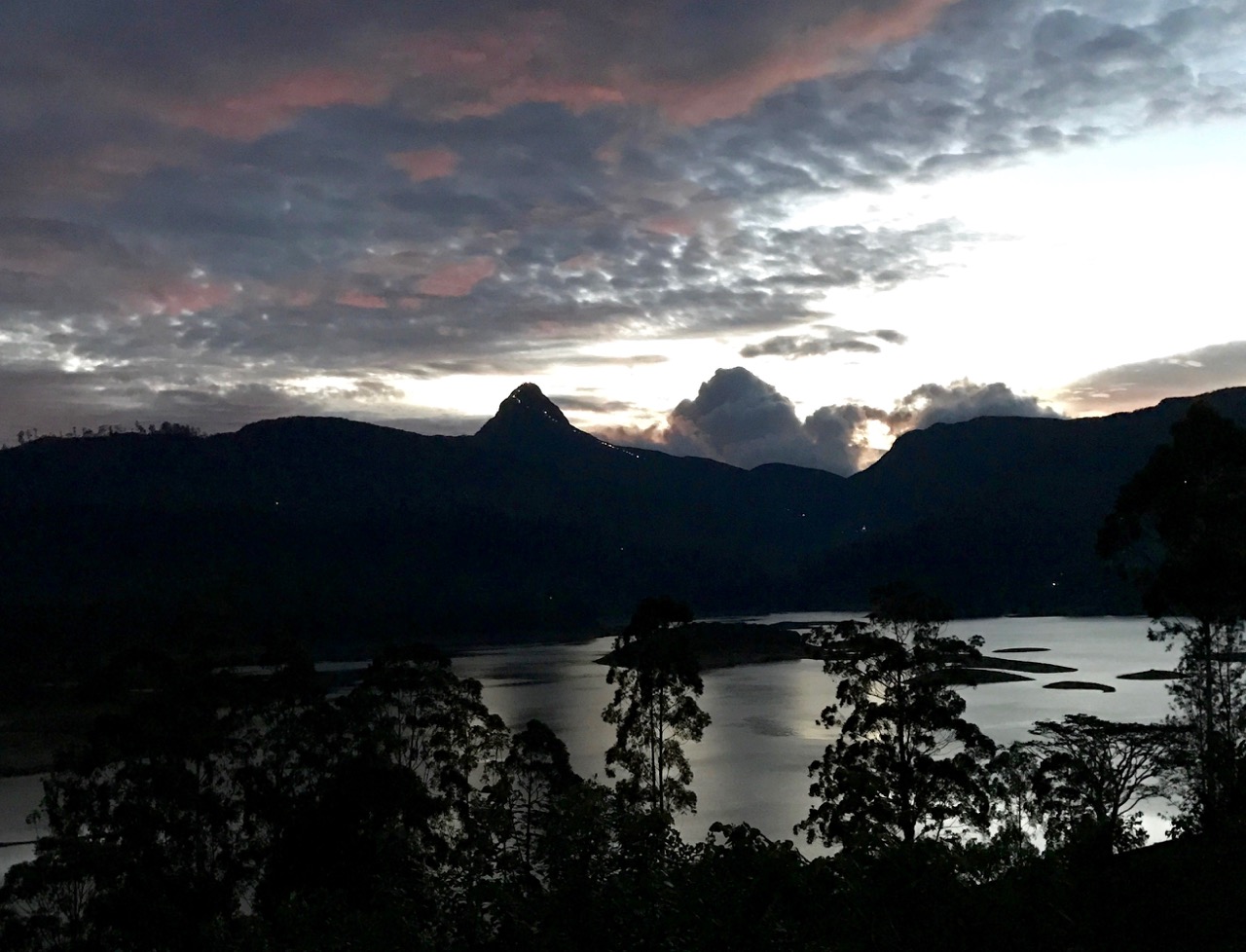
Next we travelled west in order to climb the 7,400foot sacred pilgrimage mountain known variously as Adam’s Peak (where some believe Adam first set foot on earth after falling from heaven), Sri Pada (Sacred Footprint, where Buddha stepped on his way to paradise), or Samanalakande (Butterfly Mountain – where butterflies go to die) (Fig. 9). There are many other beliefs as well about whose huge ‘footprint’ is at the peak of this mountain, but regardless, over one million people make this journey every year, some out of devotion and others curiosity… probably not just for the exercise though. The 5,200 stairs that comprised the route I took, was a tough journey both up and down, mostly due to the pressure it put on my knees and the 2 AM start made for a poor night of sleep and an exhausting rest of the day. Still, the challenge was exciting and the cultural experience was interesting, so I’m glad I got to go. Unfortunately, when we woke up for the climb, Logan was sick, so we postponed a day and then the following day, he was still feeling bad, so I ventured the climb with two women I met from New Zealand instead. He hopes to go back and reach the peak with a few of our Sri Lankan friends from Pitakele in April, but he’ll climb from our side of the mountain – 9,000+ steps!
Before we leave, we plan to also visit the cultural triangle with its many religious sites and the east coast beaches, including the fort city of Trincomalee, so stay tuned as more Sri Lankan adventures are in store. Before that though, we found out that in order to extend our visas, we need to leave the country before we reach 6 months. We could have just taken a little one-day trip to India or the Maldives, but since Logan has always wanted to go hiking in the Himalayas, we thought this would be a great opportunity. So, in just one more week, we’ll be spending 3 weeks hiking in Nepal (and I assure you – the photos will be stunning)!


 slpfc.org