
By Luke Menard
After several months of eager anticipation, a frantic afternoon of packing (for me, at least), and about 70 combined hours of international travel originating from various northeastern U.S. cities, this year’s SLPFC fellows arrived in Colombo ready to begin their hard work and Sri Lankan adventures.
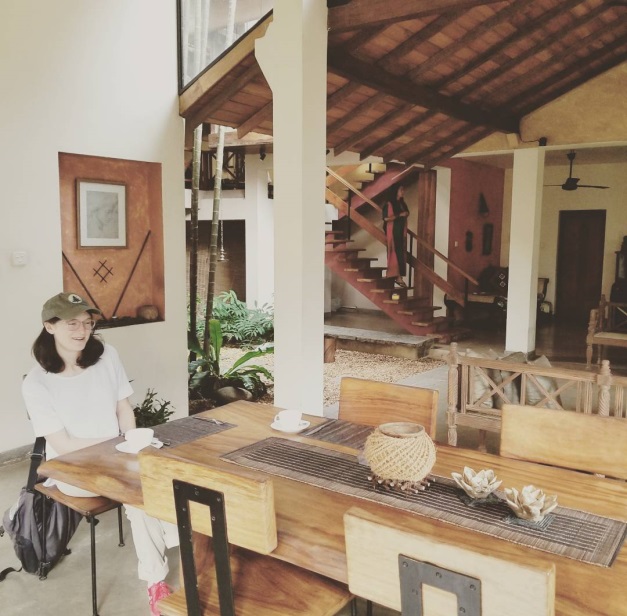
Jo and I disembarked on the island early Tuesday morning. We received a warm greeting at the airport from Dr. Singhakamura, who then drove us around Colombo to pick up last-minute supplies (including Chandni!), delivered us to a beautiful hotel in the heart of the city, and graciously put up with our manic, jetlag-induced yattering along the way.
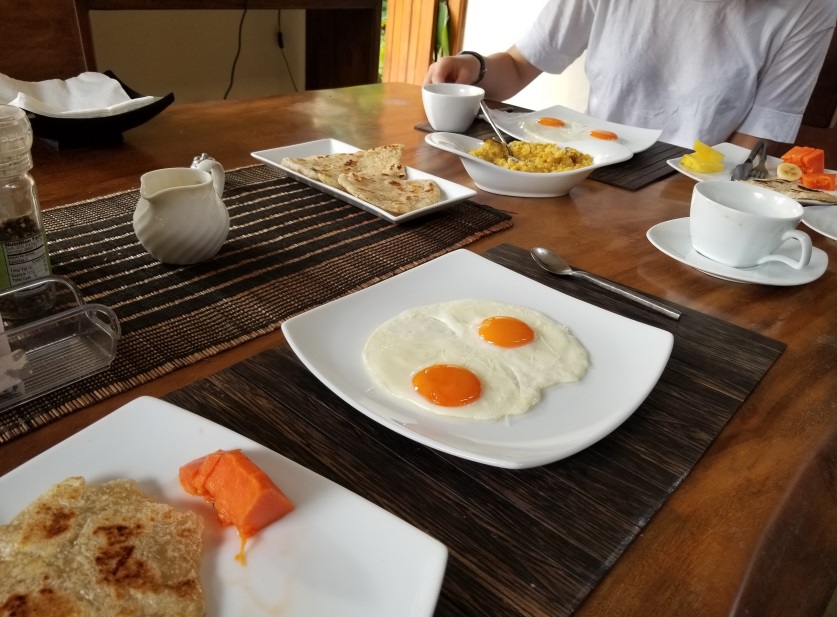
After sleeping for approximately fifteen uninterrupted hours, we awoke Wednesday morning to our first home-cooked breakfast — a feast of Sri Lankan staples including fresh fruit, over-easy eggs, shredded coconut roti, lentil curry, and yogurt with kithul palm syrup (more to come on kithul palm in upcoming posts!) (Fig 1). With full stomachs, we then packed into the van and began the easy trek towards the Sinharaja Forest Reserve and our new home at the field station.
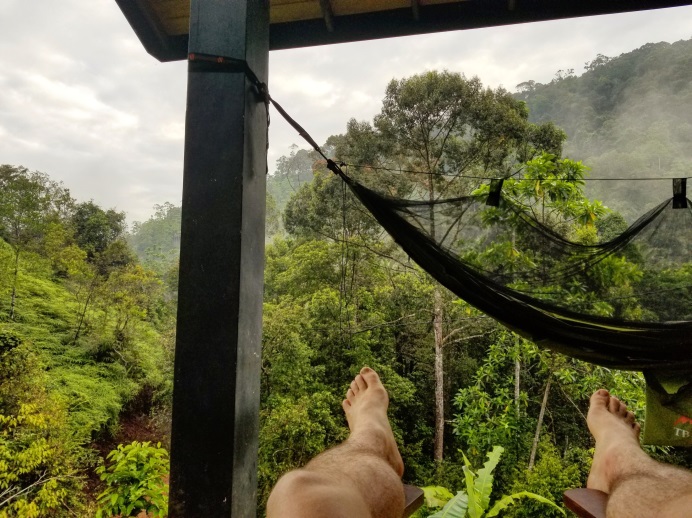
We arrived at the field station at the start of a nightlong rain shower and, upon leaving the van, were immediately welcomed by the area’s infamous ground-dwelling leeches. But with our spirits still high, we unloaded our gear and quickly settled into our new space. My first order of business was setting up a hammock on our spacious veranda, which overlooks the home garden and nursery and provides a top-notch reading/snoozing spot (Fig. 2).
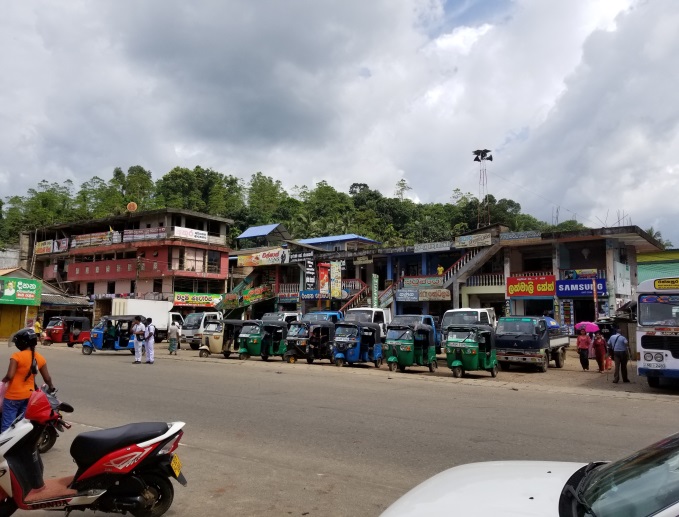
Upon initial exploration of the field station, we were impressed by the efforts of our predecessors. The blog posts and photographs from Logan, Laura, and Blair do no justice to the team’s organizational capacity and care in gathering, selecting, and planting diverse trees, shrubs, and flowers around the home garden (Fig. 3). We are absolutely thrilled to continue and expand upon the work and research of the 2016-17 crew.
In keeping with the work of last year’s fellows, much of our efforts will consist of interviews with local home garden owners in the village of Pitakele. From these interviews, we hope to gain a better sense of traditional planting and best management practices and collect various plants that are commonly cultivated in a forest garden. After repairing and expanding the nursery built last year, we will transplant or germinate the specimens we collect, which will eventually be planted permanently throughout our own garden.
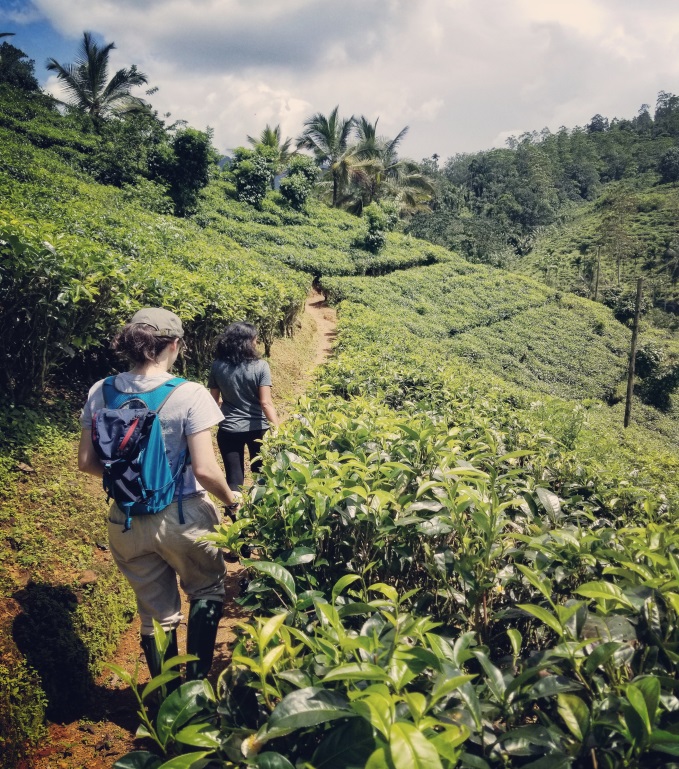
Additionally, we’ll each tackle an individual project that will further the research goals of the field station. I will be learning local methods of tea production through interviews and site visits with villagers and replicating a Sri Lankan tea garden on a portion of the field station. Jo will study the bird use of home gardens considering how different plant species and structures contribute to the conservation value of the home gardens that bound the forest reserve. Chandni will be spending time with people in Pitekele learning about their daily lives, cultivation practices, histories, and livelihoods and will bring a social science perspective to the project.
We have a ton of work ahead of us and we’re eager to get started. But first…Sinhala lessons!
Mehe api janawa! (Here we go)
 slpfc.org