
By Asha Bertsch
I thought I’d send an update just to say everything’s ok here in Pitakele. Social media is on a hiatus and schools are closed for 2 weeks but aside from this, the village rolls on as usual. Rest assured we are safe, calm and content. Though none of this is particularly related to plants or my work here, so much has happened in this small country in the last month it would feel odd not to mention it.
Drought, violence, the natural passing of a well-loved community member, and the crossing into a new year. I think back to Laura Luttrel’s post from around this time two years ago, when elephants, landslides, and flooding affected the area. What is it about April? This year it seems most of the commotion has occurred everywhere in the country except Pitakele. It seems like the climate of country is moderated both literally and figuratively by the rainforest.
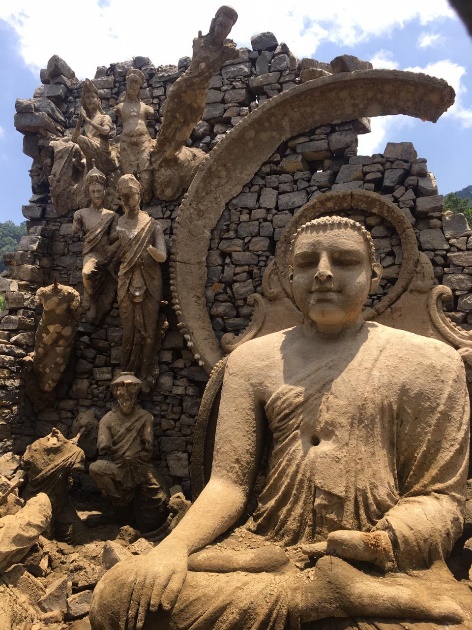
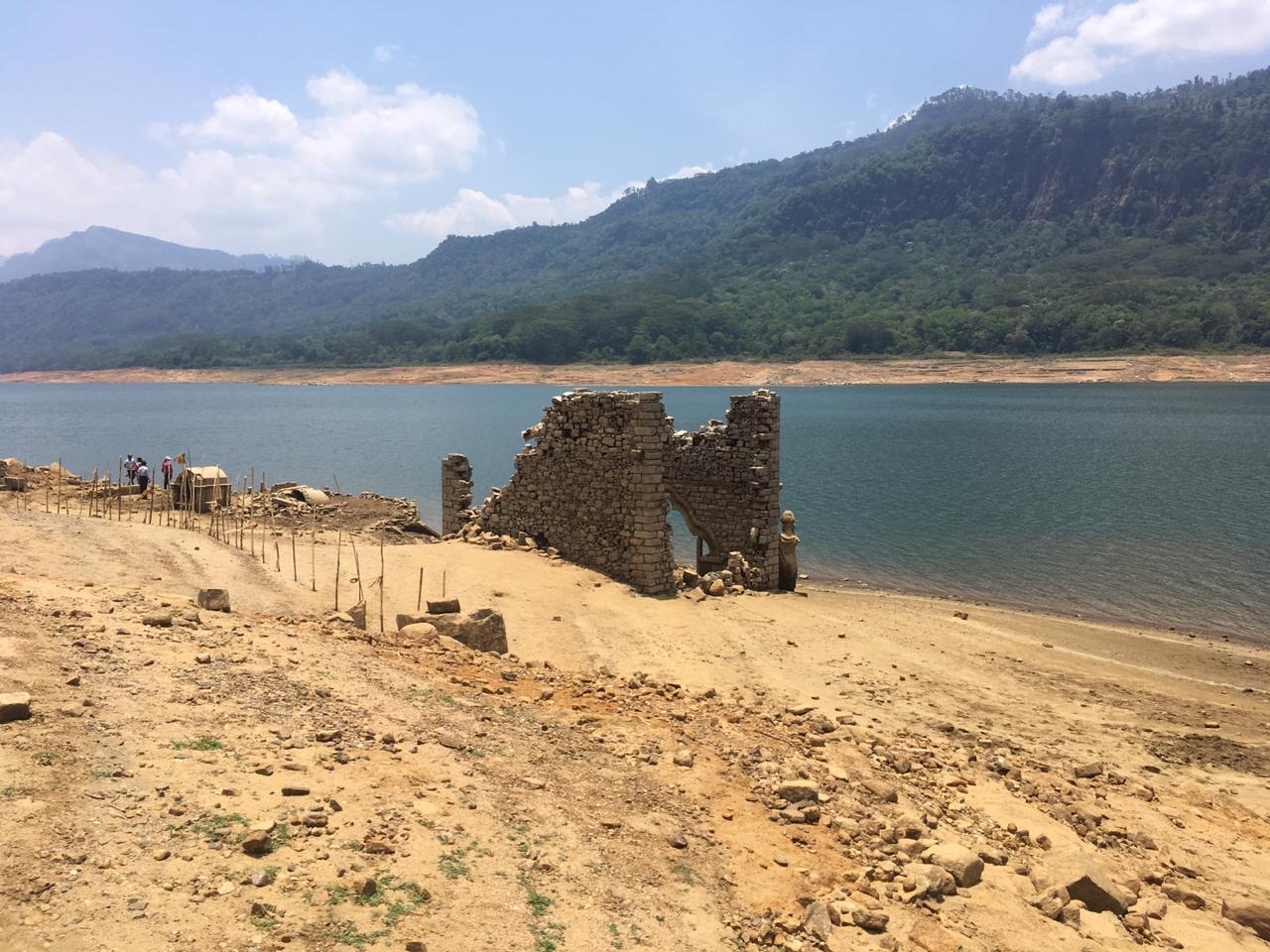
The island experienced a severe drought last month. Electricity (fueled by hydropower) was rationed across the region because reservoirs in the hill country were so depleted that old villages began to re-emerge as water was used. People made trips to parched dams to visit temple ruins which hadn’t been seen in over 20 years. Some as old as 3rd century BC (Fig. 1a, b). Meanwhile in Pitakele, the river was full and the morning dew a consistent obstacle to drying laundry.
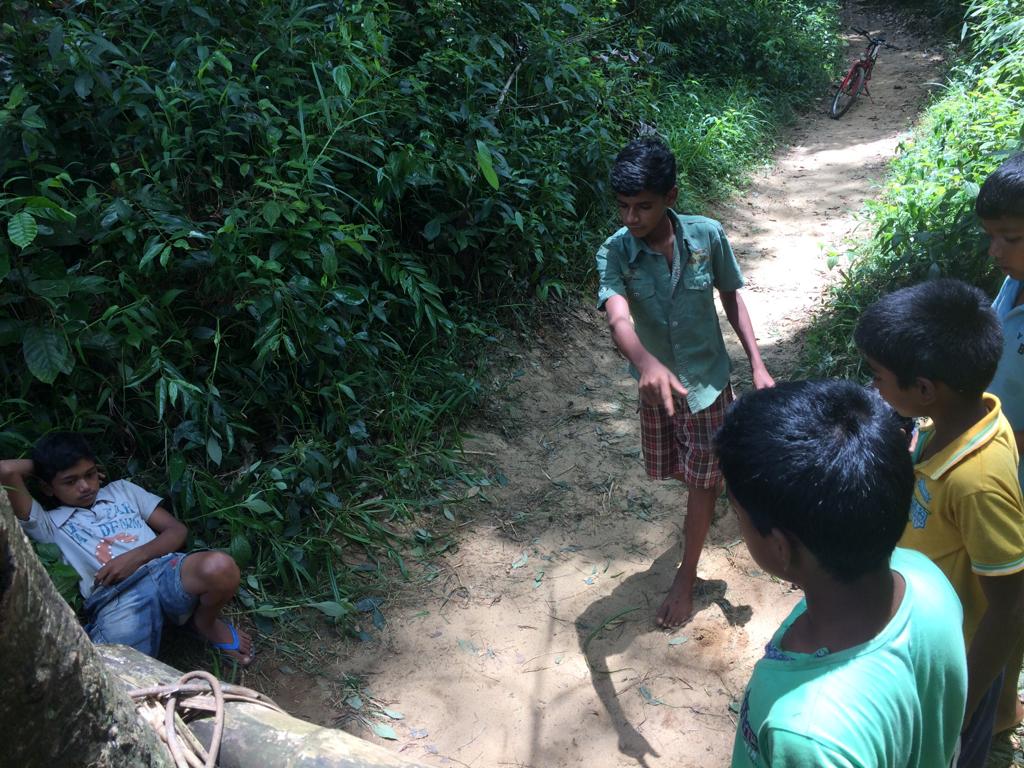
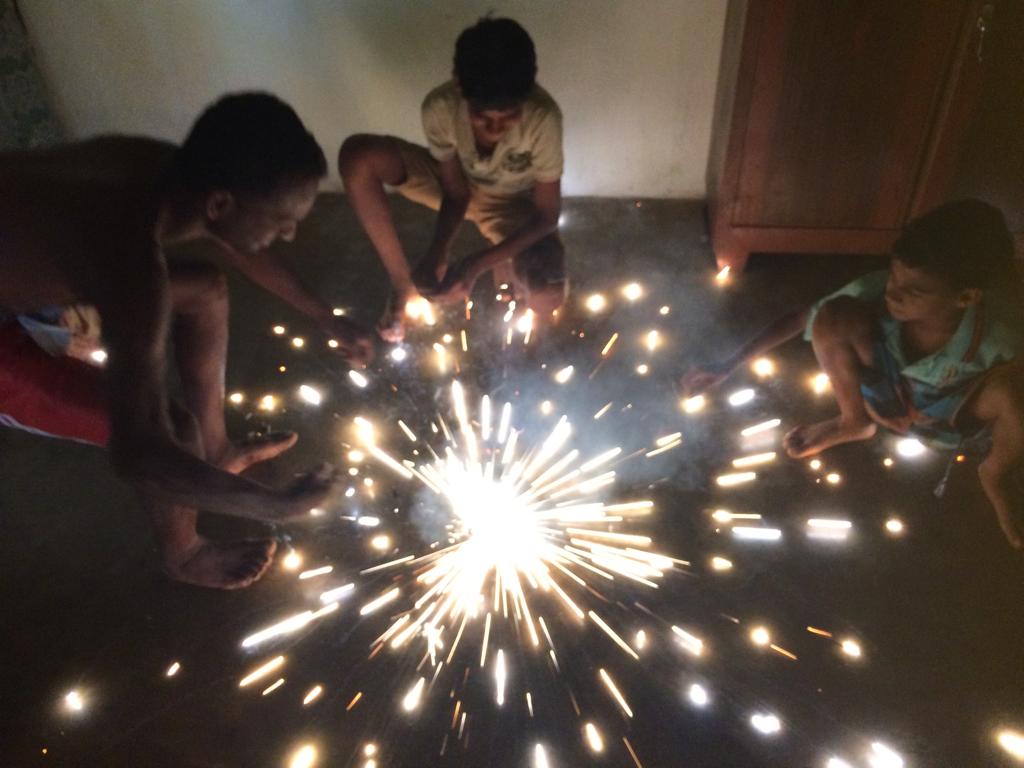
The drought ended and the Sinhalese new year happened. Many of you have heard it before or experienced it first hand, so I’ll summarize: Auspicious events, lots of homemade sweets, fire crackers and several days of legalized gambling! Children all along the village footpath could be found huddled around piles of petty cash, while throwing dice against a tree or wooden board and shouting in both victory and defeat (Fig. 2). On April 14, at exactly 2.09 pm, the new year was rung in with fire crackers sounding through the village. Loud noise is necessary. Those without fireworks banged loudly on tin doors and one family I visited slapped the sides of their home with the spathes of puwak palms (Areca catechu) to make loud thuds (yet another culturally significant botanical use of the puwak palm, who’s nut is chewed as part of an important stimulant!).
My favorite part is the ceremonial offering of sweets and kiri baht (milk rice) to the koha bird (the common koel – a bird in the cuckoo family). The koha is a migratory species who leaves the country shortly after the new year. Every day now, I hear it’s call less and less (although a new beautifully melodic songbird has entered the soundtrack and I wish Jo Hanle were around to help me identify it!). For many months prior, its call is a staple in the Sri Lankan soundtrack – I suspect it is a barbet. You can even hear it in the background sounds of common village TV shows. It calls almost continuously throughout the day from daybreak till dusk and the absence of its song marks the transition into the new year. A special altar is erected in each yard- these are just like the usual bird feeders that folks have, but this one is reserved only for the koha and is decorated with young leaflets of coconut palms. At exactly 3.54 pm, shortly after the noise making racket had begun to die down, we all ran outside to the koha altar to adorn it with sweets, rice and a tiny lit oil lamp (see Fig. 3).
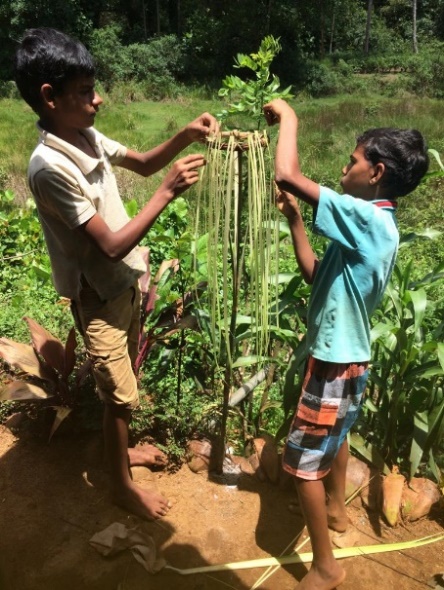
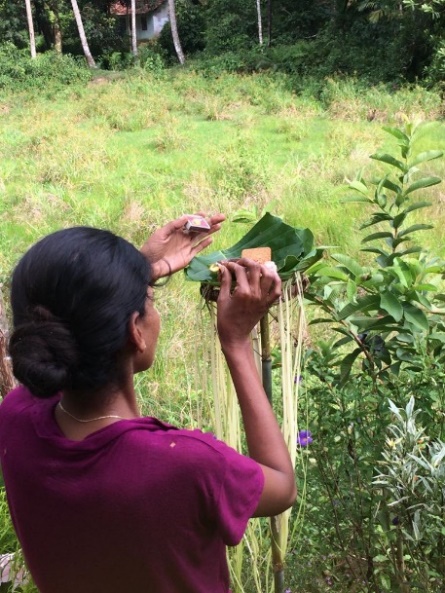
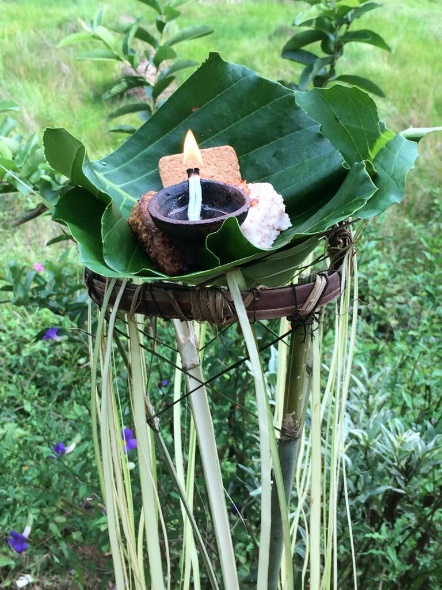
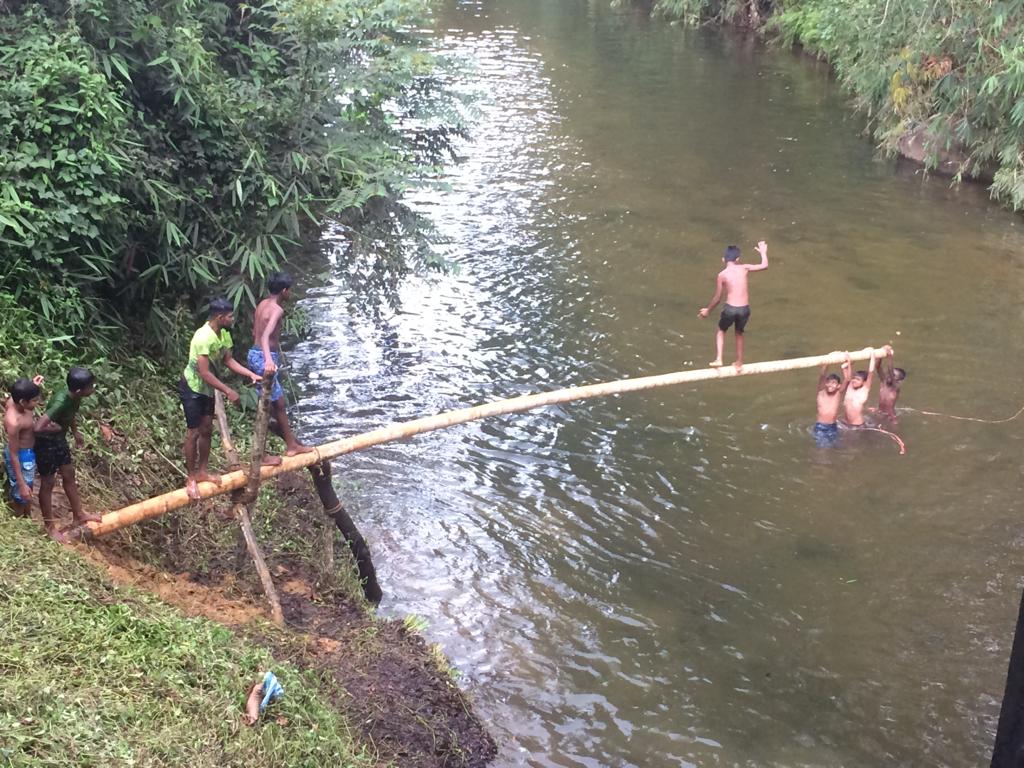
Several days of family visits and homemade sweet consumption ensued. April 20 marked the culminating grand finale “aurudusawe” – a day of competitive events, prizes, and song and dance (Fig. 4). The following day, bombs went off in the cities of Colombo and Batticaloa, found on the western and eastern coasts of Sri Lanka and the sad news slowly trickled into the village. The koha altars were taken down and tiny while flags set in their places. Having grown a great affection for this country, this news is deeply saddening and shocking. Even though I am only several hours away, being surrounded by such good people and natural beauty, it’s difficult to wrap my mind around these events of violence.
A solemn event in the village also took place. Piasili’s father, Martin, passed away this week. He had been ill for some time and passed peacefully on the afternoon of April 27. Some of you may have known him. So much for such a small island country. In only a few weeks we celebrated the Sinhalese new year, held a national day of mourning, and honored the life of a loved one. There was something very heartening about attending Piasilis father’s funeral. For three days, people from Pitakele and neighboring villages came to help prepare meals, set up decorations, and share their appreciation for life with loved ones.
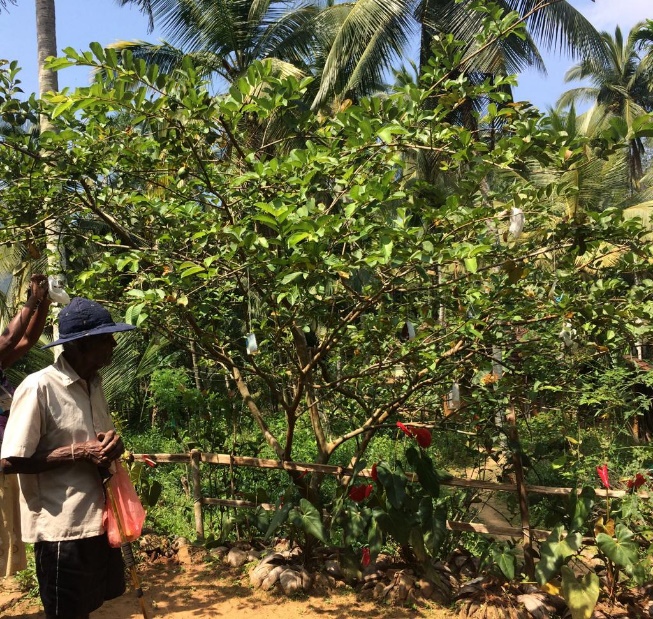
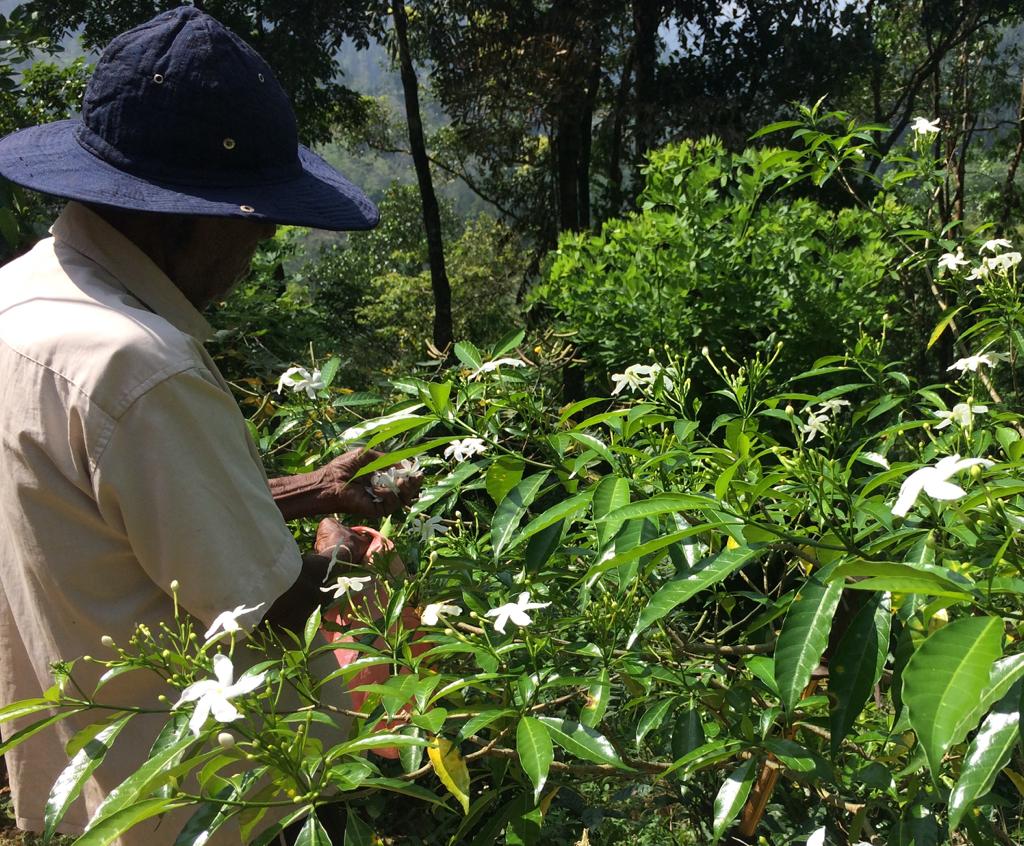
Human beings are such a complicated species. After seeing the effects of fear, confusion and misguided anger around the country these last days, it is restorative to be reminded we also have great capacity for love and generosity. People here are a daily reminder of this.
Love from Sri Lanka,
Asha
 slpfc.org