
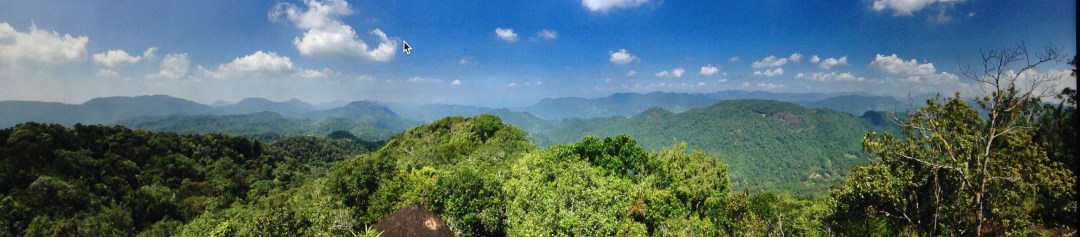
The Sinharaja Forest is the most biologically diverse forest in South Asia, with over 70% of its flora and fauna found nowhere else in the world. As the least disturbed and most biologically unique lowland rainforest remaining in Sri Lanka, the forest was declared a UNESCO Man and the Biosphere Reserve in 1978 and a UNESCO World Heritage Site in 1988.
Though industrial logging was carried out from 1971 to 1977, it was banned due to public pressure in the late 70’s. Remnants of that period remain as substantial areas of the rainforest periphery remain partially degraded and fragmented due to timber extraction, human encroachment, and conversion to agriculture.
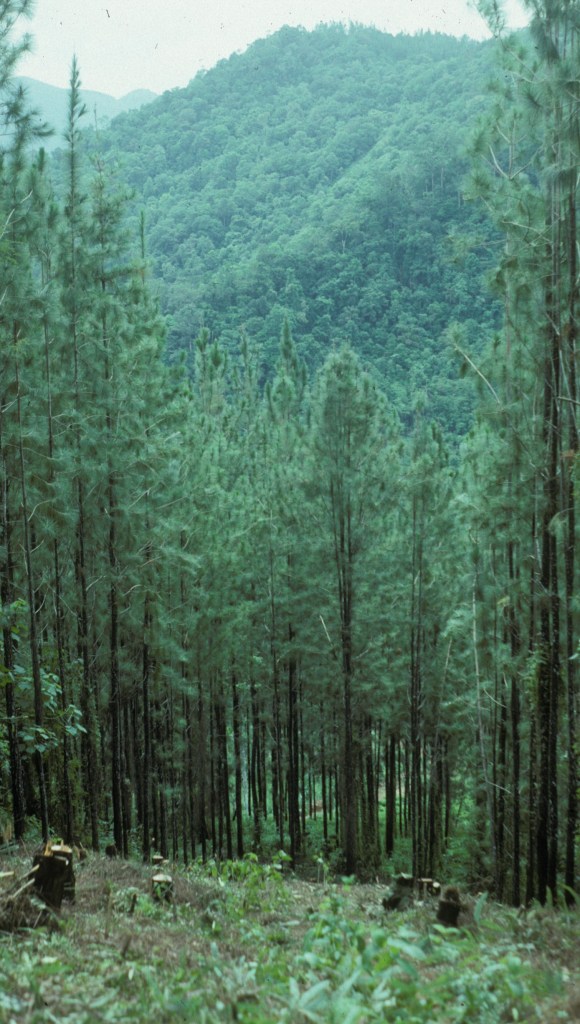
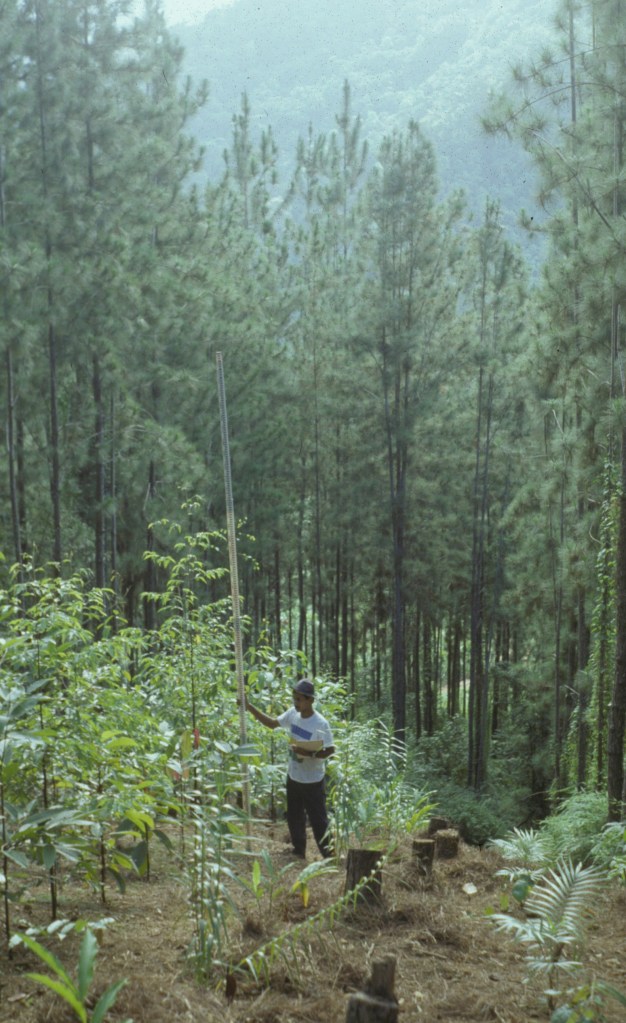
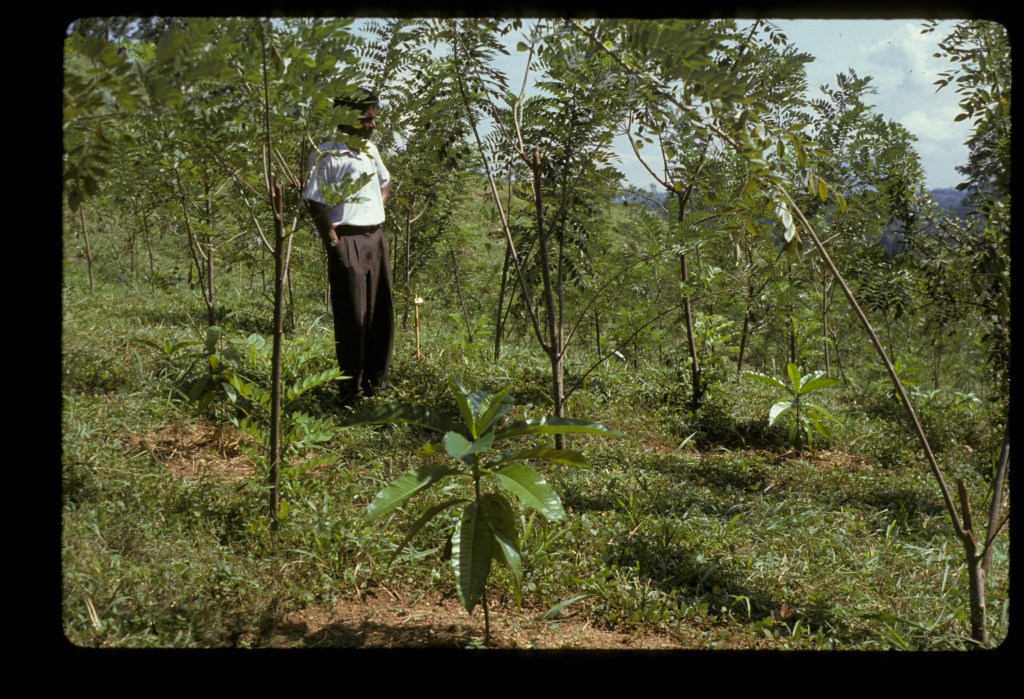
Today, traditional Sinhala Villages cultivate some of the most biologically diverse tree gardens in the world in these peripheral regions, producing a rich variety of foods, traditional medicines, and spices. These forest buffers now represent several land uses comprising pine plantations, village home gardens, and tree plantations, in addition to natural secondary scrub growth and Kekilla (Dicranpteris linearis) fernlands.
This complex intersection of human and ecological use values opens up numerous domains of research in rainforest conservation and community development, particularly in the fields of water resource management, biological conservation, improved taxonomic understanding, community development, climate change, forest restoration, non-timber forest products, ayurvedic medicine, traditional knowledge, human ecology, energy systems, resource economics, silviculture, and ecology.
As a leading regional demonstration in sustainable forest management and conservation, the Sri Lanka Program in Forest Conservation (SLPFC) is dedicated to understanding and developing technologies toward rain forest conservation and community development in-and-around the Sinharaja World Heritage Site and Man and the Biosphere Reserve in southwest Sri Lanka. Our facilities serve as a world class model in research and education, as well as a demonstration in land use sustainability for practitioners, policymakers, and university students.
 slpfc.org